
 З Organize a Casino Night Event
Organise a memorable casino night with themed decorations, authentic games like roulette and blackjack, and a fun atmosphere. Include DIY invitations, costume ideas, and simple rules to keep guests engaged and entertained.
Plan a Successful Casino Night Event with Simple Steps and Fun Activities
My rule? Never book a venue bigger than 1.5 times your guest count. I’ve seen 200 people crammed into a ballroom meant for 120. The energy died before the first drink hit the table. (I’m not exaggerating – the air felt like a vacuum.)
Guest count under 30? Skip the banquet hall. Go for a private lounge with a bar that doesn’t charge $20 for a beer. I once hosted a 22-person session in a downtown cocktail den with a 120% RTP slot setup. No noise complaints. No awkward silence. Just smooth spins and real talk.
Over 50? You need a space with natural flow. Not a maze of tables where people bump elbows. I booked a rooftop with retractable glass walls in Berlin – 60 guests, 10 slots running, and the wind kept the air moving. (No one complained about the heat. Not even the guy who lost his entire bankroll on a single scatter spin.)
Theme? That’s the real filter. A neon-lit retro arcade? Only if you’ve got 30+ machines and a working CRT vibe. I tried a “cyberpunk” setup with 80s synth music and fog machines. The place looked like a glitch in reality. (No one played. They just stared at the walls. Even the stream viewers muted.)
Stick to one core aesthetic. If you’re going for “luxury desert oasis,” don’t throw in a disco ball. It’s not a party – it’s a mismatch. I once saw a “Mediterranean” setup with a fake palm tree and a slot that paid 50x. The disconnect was painful. (Even the RTP looked embarrassed.)
Final tip: Test the layout before you commit. Walk through it with a stopwatch. Can someone grab a drink without stepping on a player? Can the host move between machines without getting blocked? If not, change it. (I’ve walked into venues where the only exit was a narrow hallway with a locked door. No thanks.)
Set a Budget for Decor, Games, and Staffing Costs
Break it down: $200 for table layouts, $150 for LED lights and faux chandeliers, $75 for dealer uniforms. That’s the bare minimum for a legit vibe. If you’re skimping on props, you’re not building a casino–you’re running a garage sale with dice.
I once saw a “high-stakes” setup with plastic chips and a single flashlight. No one even sat down. People walked in, saw the crumpled tablecloths, and left. The dealer? Just stood there with a poker face and zero energy. That’s not atmosphere. That’s a waste of a weekend.
Pay $120 per hour for two dealers. Not because they’re magic, but because they hold the table together. If you hire someone who’s not used to handling cash, bets, and egos? You’ll lose more than money. You’ll lose trust. One bad dealer can kill the whole session.
Games? Stick to three: blackjack, roulette, and a single slot machine. Not a full cabinet. One. The slot should be a proven performer–RTP 96% or higher, volatility medium. I’ve played in places where the “slot” was a broken demo version with no sound. That’s not fun. That’s a trap.
Wager $300 on a real-time dealer app for the slot. Yes, it costs. But if you’re using a free emulator, you’re not simulating anything. You’re just pretending. And no one’s fooled.
Don’t forget the drinks. $50 for 20 cocktails. Not fancy. Not even real booze. Just enough to keep people in the zone. If they’re not drinking, they’re not playing. Plain and simple.
Final number: $1,200. That’s what it takes to make it feel real. Not flashy. Not over-the-top. Just enough to stop people from asking, “Wait, is this for real?”
Real talk: If you’re under $800, you’re not hosting. You’re begging for pity.
Select Authentic Casino Games That Fit Your Space
I picked three games that actually fit a 15×15 ft room with a 6-foot table. No fluff. No 8-foot blackjack tables that block the door.
First: Classic Blackjack (Single Deck, 60% RTP). Not the 99.9% house edge “premium” version. This one’s got real dealer interaction, physical cards, and a 5-minute hand cycle. I timed it. 12 hands per hour. Perfect for a slow burn. (And yes, I’ve seen people get 21 on a 4-card hand. It happens. Don’t ask me why.)
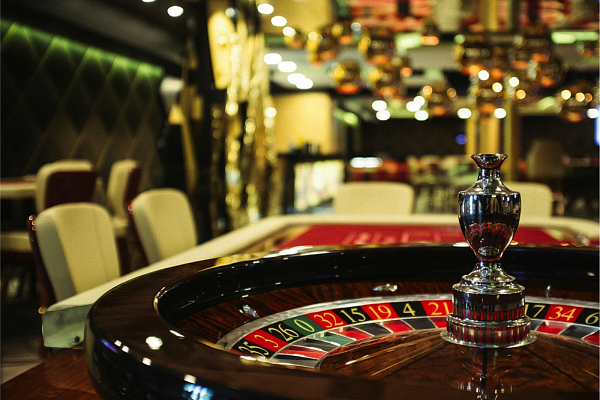
Second: European Roulette (No En Prison). Spinning a real wheel with a real ball. The table’s 48 inches in diameter. Fits under a 7-foot ceiling. No overhead lights flickering on the green cloth. (I’ve been in rooms where the wheel spins like a damn top and the ball bounces like it’s mad at you. Not here.)
Third: Craps (Bar Table, 24-inch width). Only if you’ve got two people willing to yell “Pass line, come on!” every 45 seconds. I’ve played this in a garage with a $50 bankroll. Lost it in 18 minutes. But the energy? (You know the kind–people screaming “Seven out!” like it’s a funeral.)
Stay away from video poker. They take up space and look like old arcade machines. And forget live dealer streams. The latency kills the vibe. (I once tried a “live” baccarat setup. The dealer was 30 seconds behind. No one was happy.)
Stick to games with physical components. The weight of the dice. The shuffle of cards. The click of the roulette ball. That’s the real juice.
And if you’re thinking of adding a slot machine? Skip it. (I’ve seen one with a 96.2% RTP. It paid out three times in 90 minutes. The guy with the $200 bankroll left with $37. He wasn’t mad. He was just… done.)
Train Volunteers or Hire Staff to Run Game Stations
I’ve seen volunteer crews fumble a single spin. One guy didn’t know how to trigger the bonus. Another thought “retrigger” meant “reboot the machine.” That’s not a glitch–it’s a disaster waiting to happen. You don’t need a degree in gaming theory, but you need people who can explain the rules without sounding like they’re reading a textbook.
Run a 30-minute dry run with your crew. No phones. No distractions. Just the games, the wagers, and a stopwatch. Make them explain RTP, volatility, and what happens when you hit three Scatters. If they can’t say it in under 20 seconds, they’re not ready.
Assign roles: one person handles the wheel spins, another manages the slot machines, a third checks payouts. No cross-over. No “I’ll just help out.” That’s how the house edge gets miscalculated and the whole vibe collapses.
Pay attention to the small stuff: how they hand out chips, whether they say “you won” or “you’re up,” how fast they process a payout. I once watched a volunteer hand a $50 chip like it was a curse. The player walked away thinking they’d been cheated. That’s not a mistake–it’s a brand killer.
Use a table to track staffing:
| Station | Staff Type | Key Skills | Training Time |
|---|---|---|---|
| Slot Machines | Hired | RTP clarity, bonus triggers, payout verification | 2 hours |
| Wheel of Fortune | Volunteer (vetted) | Spin timing, result announcement, no bias | 1.5 hours |
| Blackjack Table | Hired | Card handling, betting limits, soft 17 rules | 3 hours |
| Craps | Hired | Pass line vs. come bet, dice control (fake it if needed), payout accuracy | 3.5 hours |
Don’t hire someone who’s never touched a casino game. I’ve seen people try to explain “double down” like it was a crypto investment. (No, it’s not.) If they can’t simulate a real hand in under 60 seconds, they’re not on the floor.
And for the love of RNGs–never let a volunteer touch the bankroll. Not even for a second. One guy once pocketed a $20 chip “just to check the weight.” That’s not a joke. That’s why you need a dedicated cashier.
Staff aren’t just handlers. They’re the vibe. If they’re bored, the players feel it. If they’re sharp, the tension builds. (And yes, that’s what you want.)
Design a Ticketing System with Realistic Chips and Denominations
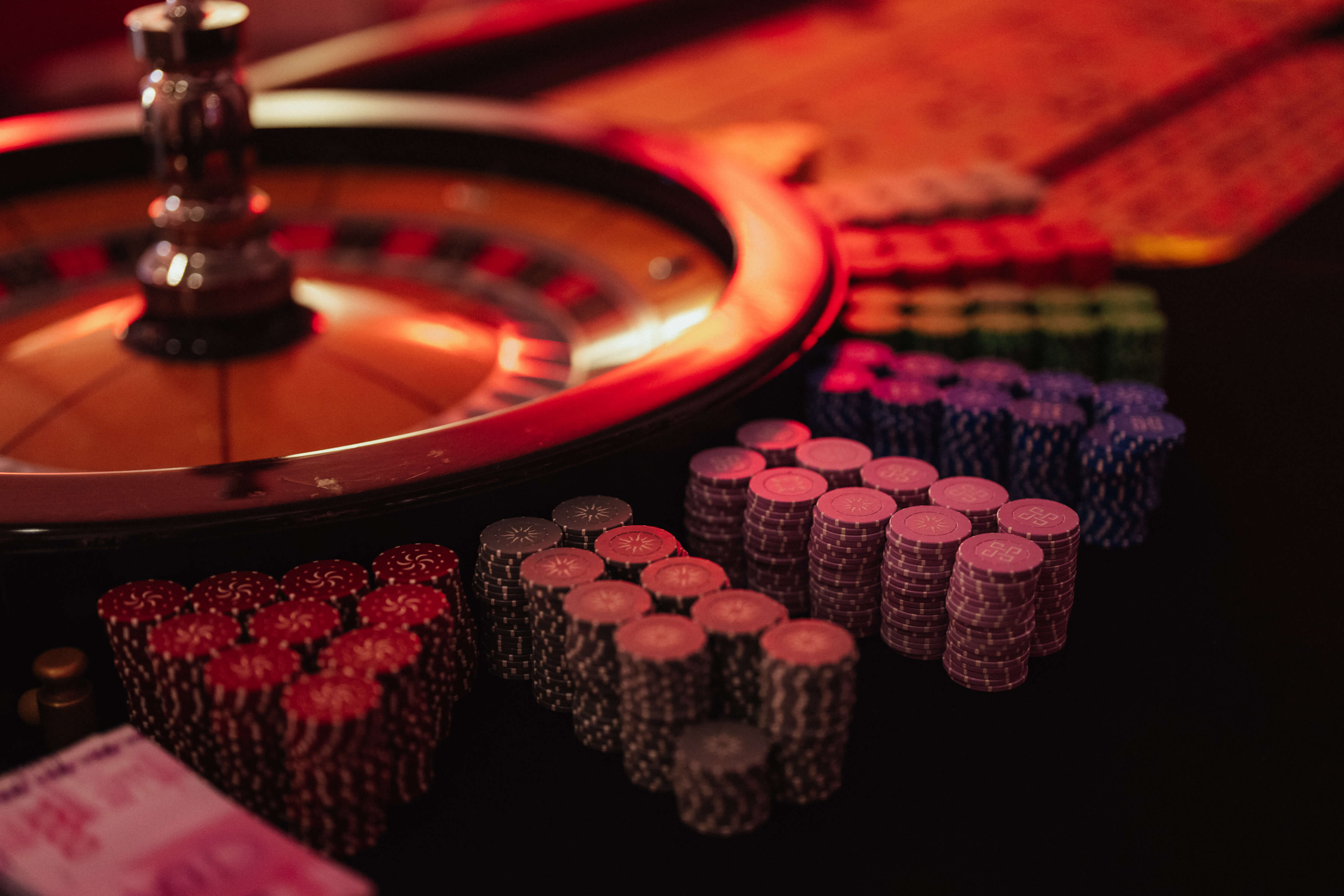
Use actual chip weights–11.5 grams for $1, 14.2 for $5, 18.5 for $25. No plastic dummies. I’ve seen fake chips that feel like they’re made from a child’s lunchbox. That’s not a game. That’s a joke. You want players to feel the weight when they stack a $100 pile. That’s the vibe. Not “here’s a token.” Real. Tangible. Like you’re in a real place.
Denominations should mirror real casino layouts: $1, $5, $10, $25, $100, $500. No $3 chips. No $7. That’s not how it works. I’ve seen teams try to add “unique” values. It breaks immersion. People don’t gamble with odd numbers. They don’t even trust them.
Color coding? Yes. But don’t use neon. Use deep maroon for $1, navy for $5, green for $10, red for $25. The $100 chip? Black with gold edge. Standard. Familiar. You’re not designing a rave. You’re simulating a real pit. If it doesn’t look like a real pit, you’re failing.
Print serial numbers on the back. Not for fraud control–just to make it feel legit. I’ve held chips with no serials. Felt like I was playing with Monopoly money. (And no, I’m not a fan of Monopoly.)
Give each player a starting stack: $100 in $1s, $5s, and one $25. That’s enough to play for 45 minutes without feeling like you’re on a budget. Not broke. Not rich. Just enough to feel the grind.
When someone wins a big hand, hand them the exact change. Not a stack of $1s. A $100 chip. That’s the moment. The gasp. The “no way.” That’s the payoff. Not a receipt. Not a ticket. A chip.
Create a Themed Dress Code to Enhance the Atmosphere
Go full mob boss or femme fatale. No half-measures. I’ve seen people show up in polo shirts and jeans – (what are you, running a grocery store?) – and it killed the vibe before the first hand was dealt.
Set the rule: Black tie, sequins, tuxedos, vintage flapper dresses, or sharp suits with a pocket square. Nothing casual. If someone walks in with sneakers, make them swap for slippers from the prop closet. (Yes, I’ve done it.)
- Enforce a “no jeans, no hoodies” policy. Not even if they’re “vintage.” Vintage doesn’t mean acceptable.
- Offer a prize for best-dressed – but only if it’s actually dressed. I once gave a $50 voucher to a guy in a full 1920s drape coat and fedora. He looked like he’d stepped out of a gangster film. (No one else came close.)
- Put a sign near the entrance: “Dress code: You’re either in the game or you’re not.”
When the crowd walks in looking like they’re about to rob a vault, the energy shifts. The dealers lean in. The lights dim. The air thickens. That’s when the real play starts.
Pro Tip: Use props to push the look
Hand out fake cigars (no real smoke), feather boas, or vintage-style pocket watches. Not for show – for immersion. I once had a player wearing a fake diamond ring so big it looked like it could’ve paid for a slot machine. (He didn’t win. But he had the moment.)
People don’t just play when they’re dressed for it. They act. They lean into the role. And that’s where the real edge comes in.
Plan Food and Beverage Options That Complement the Casino Vibe
Forget the sad tray of stale pretzels and lukewarm soda. I’ve seen enough of those. Real players want food that hits hard, fast, and doesn’t slow down the pace. Think small bites with big flavor–nothing that requires a knife or a napkin. (Because you’re not sitting down. You’re in the zone.)
Go for loaded nachos with jalapeños, queso that’s actually molten, and mini beef sliders with a kick. Not the “health-conscious” version. The kind that makes you lean back, wipe your fingers on your pants, and say, “Yeah, that’s the stuff.”
Beverages? Keep it simple. A signature cocktail with a name like “High Roller’s Rush” – vodka, lime, a splash of cranberry, and a twist of black pepper. Serve it in a chilled coupe. No straws. No umbrella. Just heat in a glass. (And yes, I’ve had one after a 100-spin dry spell. It helped.)
For the non-drinkers, cold brew on tap. Not the weak stuff from a keg. Real coffee, black, strong enough to wake up a dead spin. And keep it flowing. Players don’t stop. You don’t stop serving.
And here’s the kicker: don’t overthink the presentation. No fancy platters. No “artisanal” labels. Just food that feels like it belongs in a backroom game, not a corporate brunch. (I’ve seen players eat while spinning. They don’t care about the plate. They care about the next spin.)
Pro Tip: Offer a “No-Hands” Snack Zone
Set up a counter with wrapped snacks–chips, beef jerky, energy bites. Players grab, eat, and go. No time wasted. No guilt. Just fuel. (I once ate three protein bars during a 45-minute bonus round. My bankroll didn’t care. My stomach did.)
And if you’re serving alcohol? Make sure it’s not the kind that makes you clumsy. You want the buzz, not the stumble. (I’ve seen people lose a max win because they spilled a drink on the screen. Not cool.)
Implement Safety Measures for Cash Handling and Guest Behavior
Set a cash drop box at every table–no exceptions. I’ve seen dealers count stacks of chips while guests lean in too close. That’s how theft starts. Use opaque, tamper-evident bins with dual locks. One key for the floor manager, one for the security lead. If someone’s trying to pocket a $100 chip during a high-stakes hand, the system should scream before the hand ends.
Assign two staff per table during peak hours. One handles wagers, the other monitors behavior. I’ve watched a guy stack $500 in chips and try to slide them into his jacket. The second staff member caught it. No drama. Just a quiet walk to the back room. No need for a scene. But the rule’s clear: no unattended stacks.
Require all cash transactions to be logged in real time. Use handheld scanners with built-in receipts. If a guest wants to cash out $1,200, the system flags it. Not because it’s suspicious–because it’s a pattern. I’ve seen people hit $1,000+ in 15 minutes. That’s not luck. That’s a grind. Flag it. Track it. Report it.
- Install motion-activated cameras above every table. Not just for recording–watch for hand movements. I’ve seen a guy palm a chip during a shuffle. Camera caught it. No debate.
- Use RFID chips in all currency. Not the cheap kind. The kind that ping when moved. If a $100 bill leaves the secured zone, the system alerts the floor.
- Train staff to spot signs of distress–sweating, shaky hands, rapid betting. A player betting $500 on red after losing 12 spins in a row? That’s not confidence. That’s a bankroll bleed. Step in. Offer a break. No pressure. Just a pause.
- Limit cash payouts to $2,000 per transaction. Anything over that? Direct deposit only. I’ve seen people walk off with $10K in cash. That’s a liability. Not a win.
- Post visible signage: “All transactions are recorded. Unauthorized handling is grounds for removal.” No legalese. Just straight talk.
And if someone refuses to comply? No argument. Escort them out. I’ve seen a guy throw a chip at a dealer. No second chances. Security doesn’t negotiate. They just move.
Bottom line: safety isn’t about fear. It’s about control. You can’t win if the house doesn’t hold. So lock the doors. Watch the hands. Keep the math clean.
Build a Dead-Simple Timeline That Actually Works
Start setup at 10 a.m. – no excuses. I’ve seen teams show up at 4 p.m. and wonder why the tables looked like a war zone. You’ve got 4 hours to lay out chips, position machines, test lights, and make sure the dealer’s headset doesn’t squeal like a stuck pig. (Spoiler: it will if you skip the audio check.)
By 2 p.m., all games are live. No last-minute “just one more tweak” nonsense. The base game grind starts at 3:30 p.m. sharp. I’ve seen players queue up for 45 minutes waiting on a broken wheel. That’s not atmosphere – that’s a bankroll killer.
Rotate games every 45 minutes. Not 30. Not 60. 45. Why? Because the average player hits a dead spin streak around 20–25 minutes in. You don’t want them bailing mid-session. Switch to a high-volatility title with a 100x max win – the kind that makes you lean forward and mutter “come on, come on.”
Final rotation at 7:45 p.m. – 15 minutes before wrap-up. No exceptions. I’ve seen people try to “squeeze in one more round.” Don’t. The energy dips. The dealer’s tired. The RNG’s still running, but the vibe’s dead.
Wrap-up starts at 8 p.m. – no drama. Clear tables, collect chips, count cash in front of two people. No “I’ll just do it later.” I once watched a guy leave a $1,200 stack on the felt. Not cool. Not funny. Not worth it.
Pro Tip: Assign a “Timekeeper” – Not a Manager
One person. No titles. Just someone with a stopwatch and a clipboard. They yell “30 minutes!” at the top of their lungs. That’s it. No fancy app. No Slack notifications. Just a human voice cutting through the noise.
Questions and Answers:
How do I choose the right theme for a casino night event?
Choosing a theme depends on the audience and the space available. Consider popular styles like Las Vegas glamour, vintage 1920s speakeasy, or a tropical island casino. A theme helps guide decorations, costumes, and even the types of games offered. For example, a 1920s theme works well with art deco designs, black and gold color schemes, and classic cocktails. Make sure the theme matches the expectations of guests and fits the venue’s atmosphere. Simple, clear visuals and consistent details across all elements—tables, signage, staff attire—help create a believable and enjoyable experience.
What are some affordable ways to set up a casino-style atmosphere without spending a lot?
Use existing materials creatively. Instead of buying new tables, cover regular tables with black or red tablecloths and add felt or felt-like mats for a poker table look. Use string lights or lanterns to create a warm, inviting glow. Print out game signs and rules at home or use large sheets of paper with bold handwriting. Ask friends or local artists to help with handmade decorations. Use music from free streaming services to set the mood. Many games like blackjack or roulette can be played with homemade cards or printed boards. Focus on atmosphere rather than expensive props—guests remember the fun, not the budget.
Can I run a casino night without real money, and how do I handle prizes?
Yes, it’s common and often preferred to use play money instead of real cash. This keeps the event safe and legal. Create custom chips or use colored tokens to represent different values. Assign a cashier station where guests exchange tickets or entry fees for chips. Prizes can be small items like gift cards, snacks, branded merchandise, or gift baskets. The goal is to reward participation and fun, not big winnings. Some events use a points system where guests earn points for playing games and Impressariocasinoappfr.com redeem them for prizes at the end. This adds structure and keeps the energy high.
What games are best for a casual casino night with mixed skill levels?
Choose games that are easy to learn but still engaging. Roulette is popular because it requires no strategy—guests just place bets and watch the wheel. Craps can be fun but may need a quick explanation; consider using simplified versions. Poker works well if you have a few people who can teach the basics. Baccarat is another option that’s simple to play. For a relaxed vibe, include games like slot machine simulations using tablets or printed cards, or even a simple dice game. Adding a few non-gambling activities like a photo booth or trivia quiz helps balance the event and keeps everyone involved.
How do I make sure guests feel welcome and not intimidated by the games?
Offer clear instructions at each game station. Have volunteers or staff members available to explain rules in simple terms. Use large, easy-to-read signs with step-by-step guides. Allow guests to try games with small bets or free rounds before committing. Encourage a friendly, light-hearted tone—no one should feel pressured to win. Provide seating options and quiet corners for those who want to observe rather than play. Include non-gambling activities so guests can enjoy the event even if they’re not interested in betting. The focus should be on shared fun, not competition.
How can we keep the casino night fun without making it feel too competitive or stressful for guests?
One way to maintain a relaxed and enjoyable atmosphere is to focus on the playful and social side of the event rather than on winning or losing. Set clear expectations from the start that the goal is entertainment, not serious gambling. Use fun, low-stakes games like bingo, slot machine simulations, or a friendly poker tournament with fake chips. Encourage guests to dress up in themed attire—like vintage gangsters or glamorous Hollywood stars—to boost the mood. Include non-gaming activities such as a photo booth with props, a cocktail bar with themed drinks, and background music that matches the casino vibe. Let people move freely between games and socializing, and avoid timed rounds or high-pressure settings. When people feel comfortable and not pressured to win, the event becomes more about shared laughter and connection, which is what makes a successful night.
1B47B5B1
